
CDN for WordPress: How It Works, Setup, and Best Options
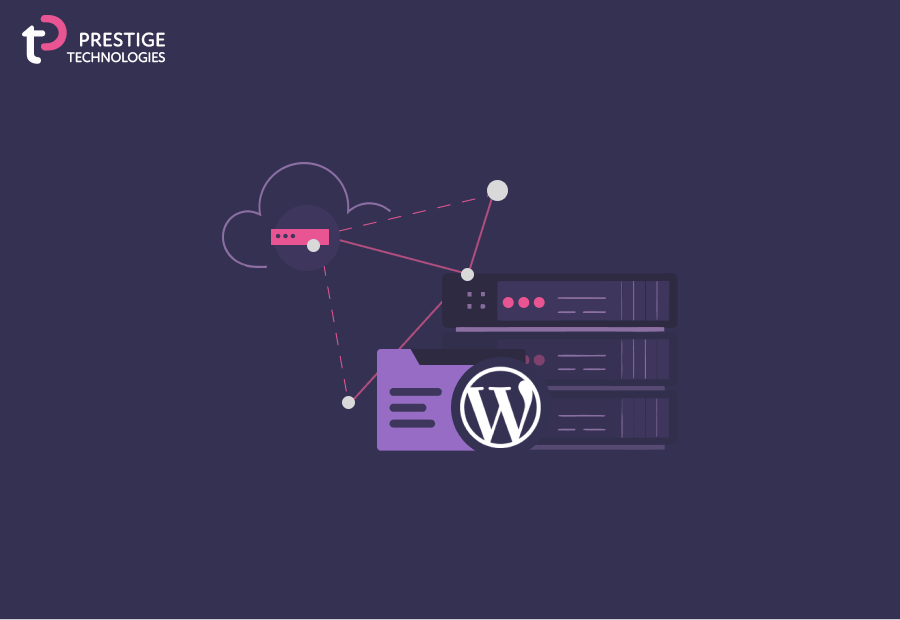
A CDN for WordPress is a network of servers in dozens of cities that stores copies of your site’s images, CSS, JavaScript, and fonts, then serves each visitor from the location closest to them instead of from your hosting server. The result is lower latency, less load on your host, and an extra security layer […]
NVMe vs SSD Hosting: Speed, Cost, and Which to Choose
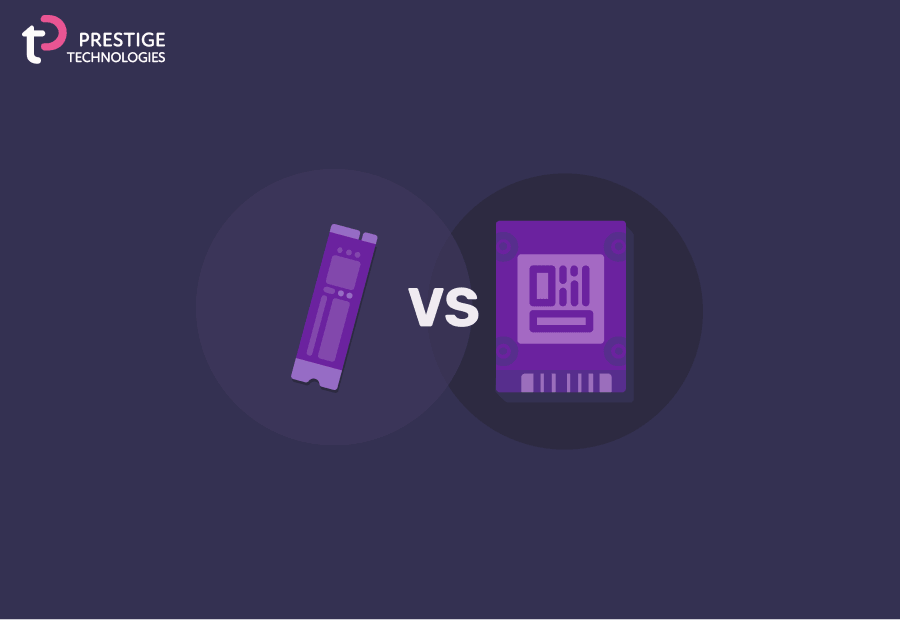
NVMe vs SSD hosting comes down to how a server’s flash storage talks to its CPU. NVMe drives connect through PCIe lanes and handle up to 65,535 parallel command queues, while traditional SATA SSDs share a single 32-command queue capped near 550 MB/s. For database-driven sites, that gap means faster uncached page generation and steadier […]
What Is Managed Hosting? A Complete 2026 Guide

What is managed hosting? Managed hosting is a web hosting service in which the provider handles server setup, software updates, security patching, monitoring, backups, and technical support, so the site owner does not have to administer the server. The trade is simple. You pay more than you would for unmanaged hosting, and you give up […]
How to Choose a Web Hosting Provider: 2026 Decision Guide

Knowing how to choose a web hosting provider comes down to matching your website’s traffic, technical, and growth requirements against nine measurable criteria: hosting type, uptime guarantee, server technology, security features, backup policy, support quality, scalability, migration assistance, and contract terms. A provider that scores well on all nine keeps your site fast, online, and […]
Website Hosting Cost for Small Business: 2026 Price Guide
Website hosting cost for small business websites ranges from about $3 per month for entry-level shared hosting to $100 or more per month for VPS and dedicated servers, and most small businesses pay $5 to $50 per month for a company site or small online store. The advertised price is rarely the full cost. Renewal […]
WooCommerce Email Automation: Complete Setup 2026 Guide
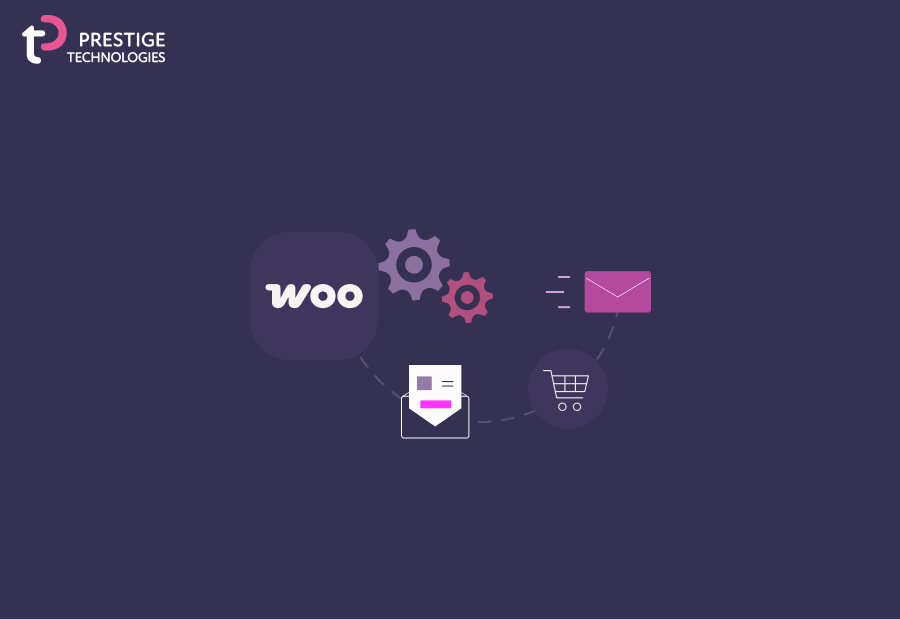
WooCommerce email automation is the practice of triggering store emails automatically from customer actions, covering both transactional messages like order confirmations and marketing sequences like abandoned cart recovery. WooCommerce sends transactional email natively through WordPress, but core WooCommerce includes no scheduling, segmentation, or behavioral triggers for marketing flows. Stores that want reliable delivery and revenue-generating […]
WooCommerce Payment Gateways Comparison: 2026 Guide
A WooCommerce payment gateways comparison comes down to five variables: transaction fees, supported countries, digital wallet coverage, setup complexity, and PCI compliance scope. Stripe charges 2.9% plus $0.30 on domestic United States cards, PayPal Checkout charges 3.49% plus $0.49, Square charges 2.9% plus $0.30 through its ecommerce API, and Authorize.Net adds a $25 monthly gateway […]
How to Reduce Shopping Cart Abandonment: 9 Proven 2026 Tips

Shopping cart abandonment is the single largest recoverable revenue leak in ecommerce, and learning how to reduce shopping cart abandonment starts with three moves: display every cost before the final screen, make guest checkout the default, and cut the load time of your cart and checkout pages. Those three changes address the majority of removable […]
Best Web Hosting for Small Business: 9 Factors 2026
The best web hosting for small business is the plan that meets nine measurable thresholds: verified uptime at or above 99.9 percent, server response under 400 milliseconds, transparent renewal pricing, server-level security, automated backups with tested restores, support that resolves issues in one interaction, in-place scaling, reliable business email, and clean migration rights. Provider names […]
WooCommerce Hosting Requirements: 2026 Server Guide
WooCommerce hosting requirements are the specific server specifications a hosting environment must meet to run a WooCommerce store securely and at speed, including WordPress 6.9 or greater, PHP 8.3 or greater, MySQL 8.0 or greater (or MariaDB 10.6 or greater), an SSL certificate, and a PHP memory limit of at least 256 MB. Meeting these […]